





How to Calm Inflamed Skin on the Face: Soothing Remedies & Triggers?
Facial irritation can not only be painful and uncomfortable, but it can also ruin the self-confidence of a person to the extent that it can. Inflamed skin on face can occur in various ways, including rash, swelling of the skin, or excessive sensitivity of the skin such that even the simplest skincare routine turns into a nightmare. The point is, though, that red skin may be the ultimate challenge in your everyday comfort. The proper remedies and cautious habits can really help you to calm the eruptions and prevent them from reappearing.
This instruction is going to take you through the whole process of understanding the main causes of flare-ups, what to do and what not to do for soothing, skincare ingredients for calming, a step-by-step routine with product suggestions, lifestyle changes that will help minimize triggers, and when to talk to a doctor. Comprehending the factors that cause inflammation and employing gentle skin care will definitely make you feel like you are taking a step closer to achieving a healthy, balanced, and calm complexion.
Common Causes of Facial Inflammation
Facial inflammation occurring suddenly may lead to redness, burning, or bumps. The reason here is that the identification of the source can be used to tailor the right soothing agents.
- Allergic Reactions: Skin allergies caused by skincare products, fragrances, or foods typically lead to the development of red and swollen skin. The signs of these reactions are itching, dryness, and the next visible irritation. The main way to stop the inflammation of the face is to get rid of the allergens so that it can be mitigated quickly.
- Over-Exfoliation or Harsh Products: The use of too many scrubs, acids, or strong cleansers results in the damaged skin barrier. The skin is inflamed and red, referred to as the skin being tight or inflamed. At such a time, caring with a gentle touch is crucial.
- Rosacea or Eczema: The occurrence of red inflammation on skin is among the natural causes of skin disorders such as rosacea or eczema that introduce sensitivity and worsen. The disorders, most of the time, depend on comfort and physician advice for the treatment duration.
- Flare-Ups: The signs of such a flare-up are swelling and sensitivity in certain parts. Inflamed acne is both tender and irritated by the application of harsh treatments on the spots. An unagitated approach will help in controlling the irritation of active pimples.
- Environmental Stressors: The pollutions, dust, and UV rays are some of the extrinsic factors that irritate the face. Besides, sunburn is the principal cause of skin coloration to be red and swollen, and the skin is hot and tender. The barrier and inflammation are weakened by such exposures over time.
Do’s and Don’ts When Skin Is Inflamed
It is important to know how to react to a flare-up, as it can greatly affect the pace at which your skin recovers.
Do’s for Inflamed Skin
1. Take a shower with cold water or thermal mist
Cold water is used to reduce the heat of hot, flushed, swollen, and itchy skin after shower. Minerals present in the thermal spring mists calm irritation and restore balance. Do not use hot water, as it will deplete the natural oils of the skin and aggravate redness.
2. Put down perfume-free, moisturizing, and soothing products
When the skin barrier is destroyed, fragrance may become a significant irritant. Search for pleasant products labeled as hypoallergenic or sensitive skin products. Ingredients such as aloe vera, cica, or colloidal oatmeal provide instant relief in that they ease inflammation and restore moisture.
3. Apply light moisturizers to close the moisture
Inflamed skin dries out more quickly. Non-comedogenic and lightweight moisturizers provide a protective layer to the skin without blocking pores or suffocating it. Good restorers of the softness and barrier strength are ceramides, panthenol, and hyaluronic acid.
4. Protect the skin against the sun with soft SPFs
The exposure to the sun increases the redness and inflammation of the skin. Use the mineral sunscreens that contain zinc oxide or titanium dioxide, as they are less irritating compared to the chemical filters. Broad-spectrum SPF will block UV damage and will help prevent additional exacerbation.
Don’ts for Inflamed Skin
1. Use scrubs, peels, or acids to exfoliate
Exfoliation might appear to be useful in rough areas, but in reality, it exacerbates inflammation. Mechanical scrubs make microtears, and chemical acids (such as AHAs or BHAs) make the skin sensitive. The only thing that will help you recover is allowing your skin to take a break between exfoliation periods before it completely heals.
2. Use the active ingredients such as retinol or high vitamin C
Strong actives such as retinol, potent vitamin C serums, and others are stimulating and can seem harsh on already stressed skin. These may result in burning, peeling, or intensification of red inflammation on the skin. Keep them when your skin is fresh and fair.
3. Rub, scratch, or pick at inflamed areas
Touching your face will infect and slow down the recovery process. Scratching forms small wounds, which result in scarring, infection, or even more irritation. Rather, rub your face with your fingers when putting on skin products, and apply a cold compress in severe cases of itching.
4. Add more products, layer too many layers, and break through the barrier
It is important to be simple during a flare-up. Applying more than one serum, cream, or treatment strains the skin. Keep it simple: modest cleanser, calming serum, calming moisturizer, and sunscreen. This will inhibit the additional breakdown of barriers and promote gradual recovery.
Best Ingredients for Calming Inflammation
In the search for skincare, seek out soothing and barrier-healing ingredients that have been shown to cool inflamed skin on face.
- Aloe Vera: Aloe vera contains a lot of vitamins and antioxidants, and is very hydrating and cooling to the skin that is irritated. It assists in healing burns and inflammatory swelling on the face naturally.
- Centella Asiatica (Cica): Cica enhances healing and skin barrier strength, and is widely used to treat skin redness and inflammation.
- Colloidal Oatmeal: Colloidal oatmeal is recognized to have quieting effects and forms a protective coating on the skin. It reduces the dryness, itchiness, and exacerbation due to redness and inflammation on the skin.
- Panthenol: This vitamin B5 derivative traps in moisture as well as encourages repair. It increases the resistance of the barrier to recurring stress and makes it slick.
- Ceramides: Ceramides repair holes in the skin barrier, which tends to be made weak by inflamed conditions. They are vital to maintain red and inflamed skin well-nourished and strong.
Skincare Routine for Inflamed Skin
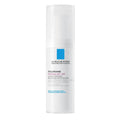
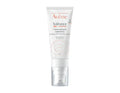
The best routine with inflamed skin on face is a light, low-key routine. Select non-scented, irritation-free products that can be helpful in calming down, instead of irritating the skin




Leave a comment