


Uneven skin complexion is a skin issue that is common among many individuals, and its effect on the skin makes some areas darker or lighter than the rest of the skin. This problem can raise the color of the face skin unevenly, resulting in low confidence and the wish to treat the uneven skin tone with skin treatment techniques. Luckily, natural remedies and established measures can be taken to fix the uneven pigmentation on your face, create balance, and increase the overall radiance of your skin.
Understanding color theory for skin tones is also important here, as each complexion carries undertones cool, warm, or neutral that influence how discoloration appears and how it can be corrected. For example, redness often shows more strongly on fair, cool-toned skin, while hyperpigmentation tends to be more visible on deeper, warm-toned skin. Using this knowledge can guide the choice of skincare ingredients and treatments to harmonize the complexion effectively. This guide goes into depth on figuring out the cause of uneven skin complexion, the ingredients to use, a skincare regimen that could help, professional treatments, and more.
What Causes Uneven Skin Complexion?
Several other factors that lead to variations in the skin complexion contribute to the inequalities in the skin complexion that, in turn, affect the texture and make the face skin color uneven. Key contributors include:
Hyperpigmentation and Melanin Overproduction: Melanin decides the color of the skin, but when the production is not homogenous, or when too much is produced, there are spots of more color. This results in an uneven colouring of the face and creates the appearance of a patchy or spotty skin.
Inflammation and Post-Acne Marks: There may be a red or dark spot left behind the inflammatory response to acne or skin trauma (post-inflammatory hyperpigmentation) that further increases the uneven texture and colour of the skin.
Lifestyle Factors:The responsible factors that have adverse effects on the skin include sleep deprivation, stress, and an unfit diet that makes it look dull, sensitive. Besides, it has an uneven coloration of the facial skin between healthiness and tiredness or unhealthiness.
Exposure to the Sun and Aging: UV rays amplify the synthesis of melanin and denature skin cells, which produces a disproportionate color of the skin, not to mention the effects of skin aging due to UV rays, including wrinkling and non-elasticity of the skin.
The main ingredient to the achievement of treatment of uneven skin complexion is to know the causes of the experiences of the complexion, as this is the starting point of naturally and sustainably treating the complexion.
Best Ingredients to Even Out Skin Tone
Some of the natural and science-backed skincare components have a significant effect on the irregular skin texture and pigmentation:
Vitamin C
Vitamin C (ascorbic acid) is one of the brightening ingredients that has been studied the most. It is a powerful antioxidant that protects the skin against oxidative damage as a result of pollution, sun rays, and other environmental aggressors. It acts using the mechanism of blocking the enzyme, tyrosinase, which is directly involved in the synthesis of melanin (pigment). Vitamin C inhibits melanin production by retarding dark spots and inhibiting the development of new spots. Besides, it has also been demonstrated to elevate the skin radiance by aiding the synthesis of collagen, which makes the skin look firm, healthy, and glowing. It produces an even more glowing complexion with constant use.
Niacinamide (Vitamin B3) is extremely versatile and can be applied to delicate skin. It increases the skin barrier as it increases the production of ceramides, which makes the skin wet and irritable. It reduces the redness and inflammation that is likely to follow pigmented disorders such as the post-inflammatory hyperpigmentation (PIH), an aftermath of acne. Niacinamide works by decreasing the amount of melanin synthesized by the cells that create pigment (melanocytes) to the surface skin cells (keratinocytes), which eventually lightens black spots. Frequent use flattens the skin and improve skin texture, besides decongesting inflamed and coloured acne.
The active compound of licorice extract is glabridin, which lightens the skin and is an anti-inflammatory extract. Glabridin inhibits tyrosinase and decreases the dark pigmentation in the skin. This has made it very effective in the treatment of pigmentation caused by the sun, melasma, and age spots. In addition to brightening, licorice extract can calm down the aggrieved skin; it can be used to avoid the reddening of the skin, thus forming a more homogenous complexion of skin and face as a whole. Its non-abrasive quality is a good substitute for sensitive-skinned people who are unable to accept the aggressive brightening products.
Retinoids
The Vitamin A derivative, retinoids (retinol, retinaldehyde, prescription tretinoin), accelerates the process of cell turnover, i.e., shedding the old, pigmented cells and replenishing them with the new and evenly-coloured cells. This will improve pigmentation defects and the skin surface. The retinoids also stimulate the production of collagen and elastin, which makes the skin firmer and younger in the end. Frequent use of retinoids not only softens the pigmentation but also dilutes fine lines, acne scars, so that the skin looks like it has been polished and is in good shape. Probably, because retinoids can result in a sensitivity response, they are to be applied in combination with moisturizers and daily sunscreen, and in low doses to prevent the reaction from appearing.
A successful skincare program that involves imbalanced pigmentation on the face and uneven skin texture includes cleansing, treating, moisturizing, and protecting:
a) Gentle Cleanser
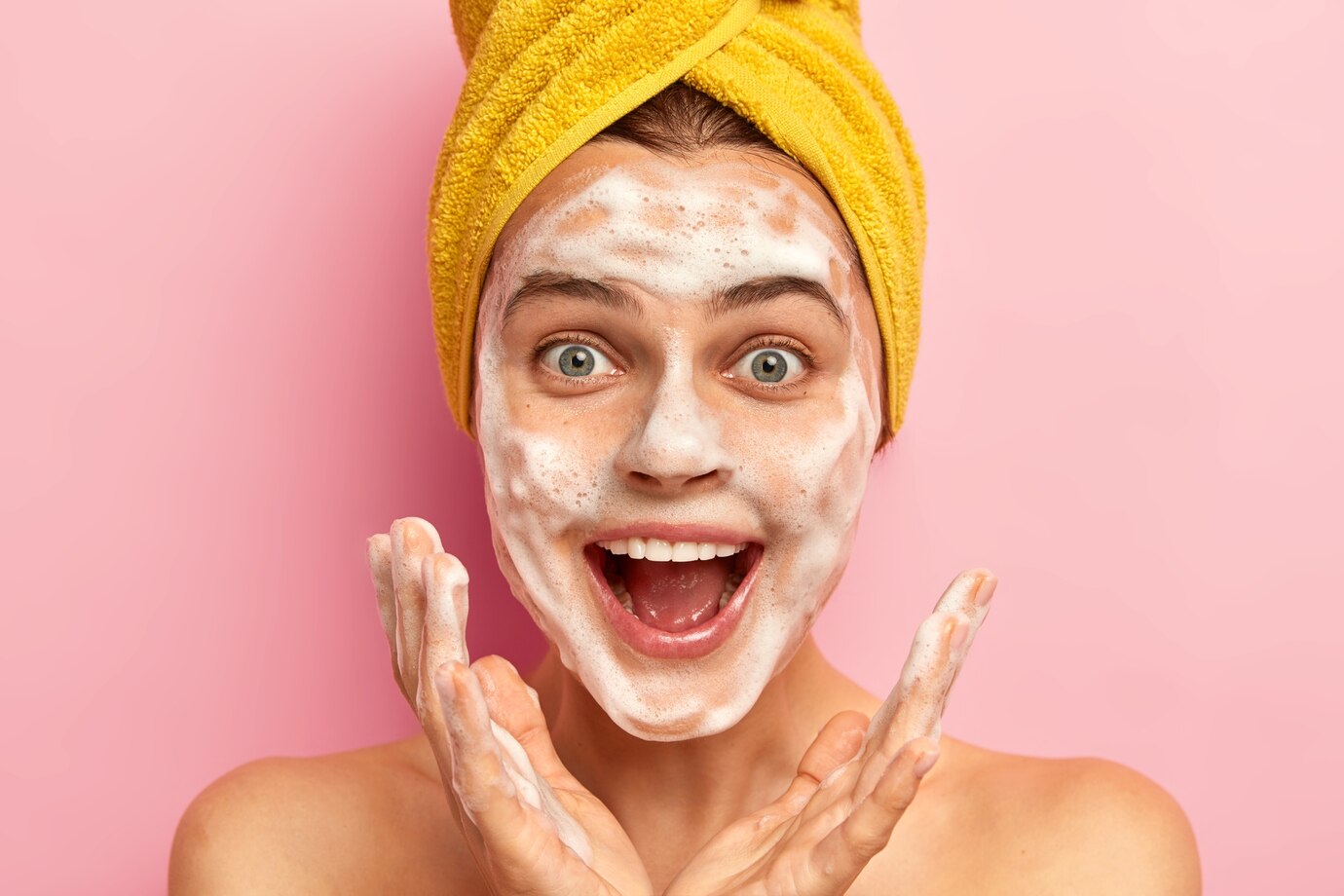
A light cleanser helps remove dirt and oil, and other impurities without leaving the skin short of the protective layer it possesses. Scrub cleansers with large concentrations of surfactants can also cause irritation, reddening, and drying up, and even increase the uneven skin color. This will ensure that the cleanliness of the skin is maintained with little inflammatory activity by using a pH-balanced, gentle cleanser that includes softening agents ( aloe vera, panthenol, or glycerin). The skin barrier is a crucial aspect of skin since barrier loss allows augmented irritation and causes pigmentation.
The exfoliation helps in shedding off the dead skin cells, thereby rendering the skin rough and irregular. Physical scrubs are less effective and also less gentle compared to chemical exfoliants such as AHAs (e.g., glycolic acid, lactic acid, or mandelic acid) and BHAs (e.g., salicylic acid). AHAs apply to skin to improve its tone and radiance, as BHAs go deeper into the pores and can be applied on acne-prone skin. The regular but light exfoliation facilitates cell turnover, thus resulting in a smoother and even complexion. Too much exfoliation should, however, be avoided since it may result in irritation of the skin and pigmentation.
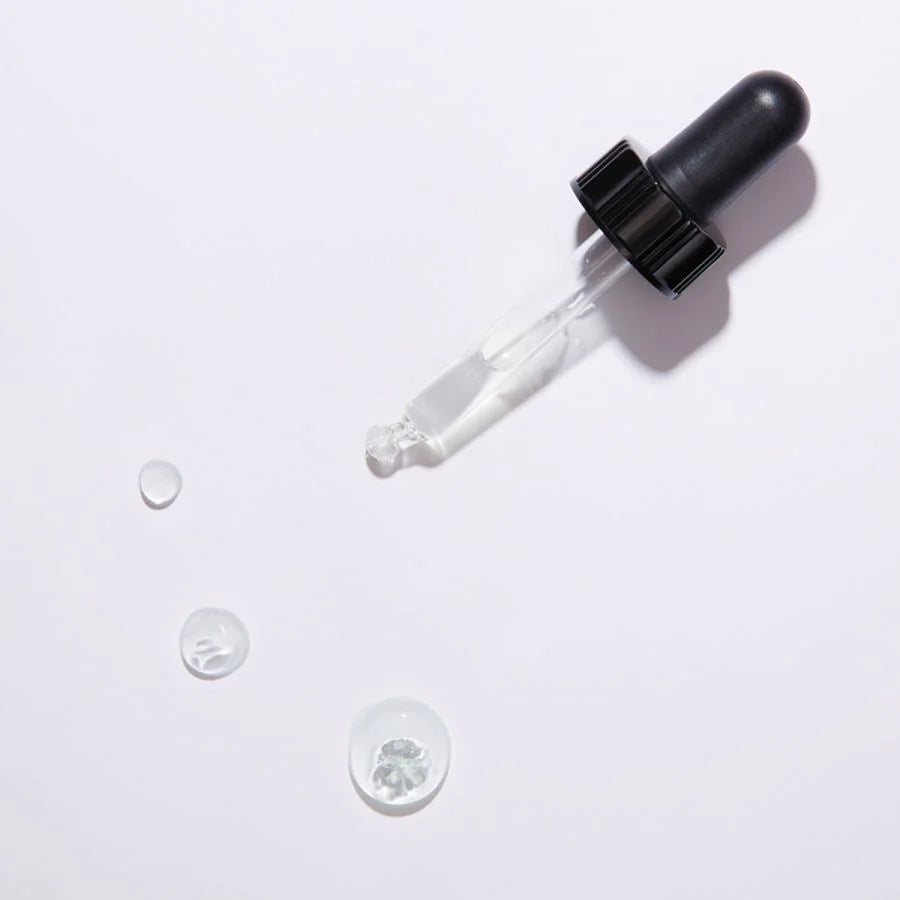
Specialized serums play the role of lightening and smoothing the skin color. Vitamin C is a good antioxidant, and this is the reason why it gets rid, dark spots are removed and it also stops the formation of melanin. Niacinamide helps in sebum regulation, inflammation, and lightening up hyperpigmentation over time. Retinoids (retinol or prescription-grade tretinoin) are also used in recalcitrant pigmentation, as this increases the rate of pigmented cells getting shed, and collagen that contributes to holding skin in its clear state. Consumption of retinoids should be gradual to avoid irritation, and most of the time, the frequency of taking retinoids should be 2-3 times a week, and then the frequency should be escalated gradually.
A good moisturizer is able to hydrate the skin, besides increasing the skin barrier in such a way that water does not evaporate through the skin, drying its skin and causing irritation. This, in turn, contributes to uneven pigmentation indirectly because dry skin will become inflamed and reactive. Moisturizers with these components as hyaluronic acid, ceramides, squalane, or colloidal oatmeal, will keep the skin smooth, calm, and hydrated. Other drastic solutions, like skin-lightening (like serums), will work better on a solid barrier and will not be irritating.
Sunscreen is the most crucial detail in the management of uneven skin tone. UV rays, which result in sunspots, melasma, and worsening of post-inflammatory dark spots, are the most prevalent trigger of hyperpigmentation. The daily use of an extensive-spectrum sunscreen (SPF 30 or higher) assists in protecting the skin against the UV radiation, as well as the UVB radiation, without any unjustified production of melanin. The most efficient defense is redoing after every 2-3 hours at the field, reimbursement of hats or sunglasses, along with protective factors. The pigmentation will not be affected much by any amount of treatment unless treated in combination with sunscreen, because the exposure to the sun is continually working to reverse the effects of the treatment.
Professional skin treatment for uneven skin tone can manifest faster and radical effects in case of more disobedient or extreme cases of:
Chemical Peels: The services involve the use of acids on the skin peel treatment and remove the upper layers of the skin, which are damaged and cause dark spots on the skin, and brighten the skin colour.
Laser Therapy: Laser therapy is undertaken to eliminate any excess melanin and correct uneven pigmentation on the face and even hyperpigmentation by destroying excess melanin on the skin and by rendering the skin evenly textured.
Microneedling: It is a procedure whereby there are microscopic pinholes, which assist in promoting collagen production and even pigmentation by promoting self-healing in the skin.
Skincare treatments should at all times be performed by professionals like dermatologists to guarantee safety and efficacy.
Conclusion
Uneven skin complexion is one of the common problems associated with hyperpigmentation, inflammation, lifestyle, and environmental exposure. By learning these reasons, it would be possible to target the skin with an uneven skin color with specific natural products, such as vitamin C, niacinamide, licorice extract, and retinoids. The even skin surface and the equal color of face skin are restored with the help of the special skincare regime based on the gentle cleansing, treatment serums, hydration, and sun protection. In less severe cases, professional interventions like microneedling, laser treatment ,and chemical peels are safe to provide added benefits.
With all these natural and professional methods, having a balanced and radiant skin is closer than ever before, and one can say goodbye to all those frustrations brought by an uneven skin complexion. The Skin Lab website provides an extensive platform where users can discover various skincare solutions, which include the best uneven skin complexion from multiple reputable brands.
Leave a comment